
Agree temporary protection
Ask which air paths and equipment need protection and how normal ventilation will be maintained safely. Cleaning after construction does not replace sensible contamination prevention.
Request duct cleaning for a property in Vaughan. Include the equipment, the problem or planned work, and your location so the request can be reviewed.
Construction dust should be managed before it reaches air-handling equipment. Identify dust-producing work and the system's protection plan, then inspect the relevant components after that work before deciding whether cleaning is justified.
Describe work areas, open ducts, equipment operation during construction, and any visible debris. Include the stage of construction when an inspection or cleaning is proposed.
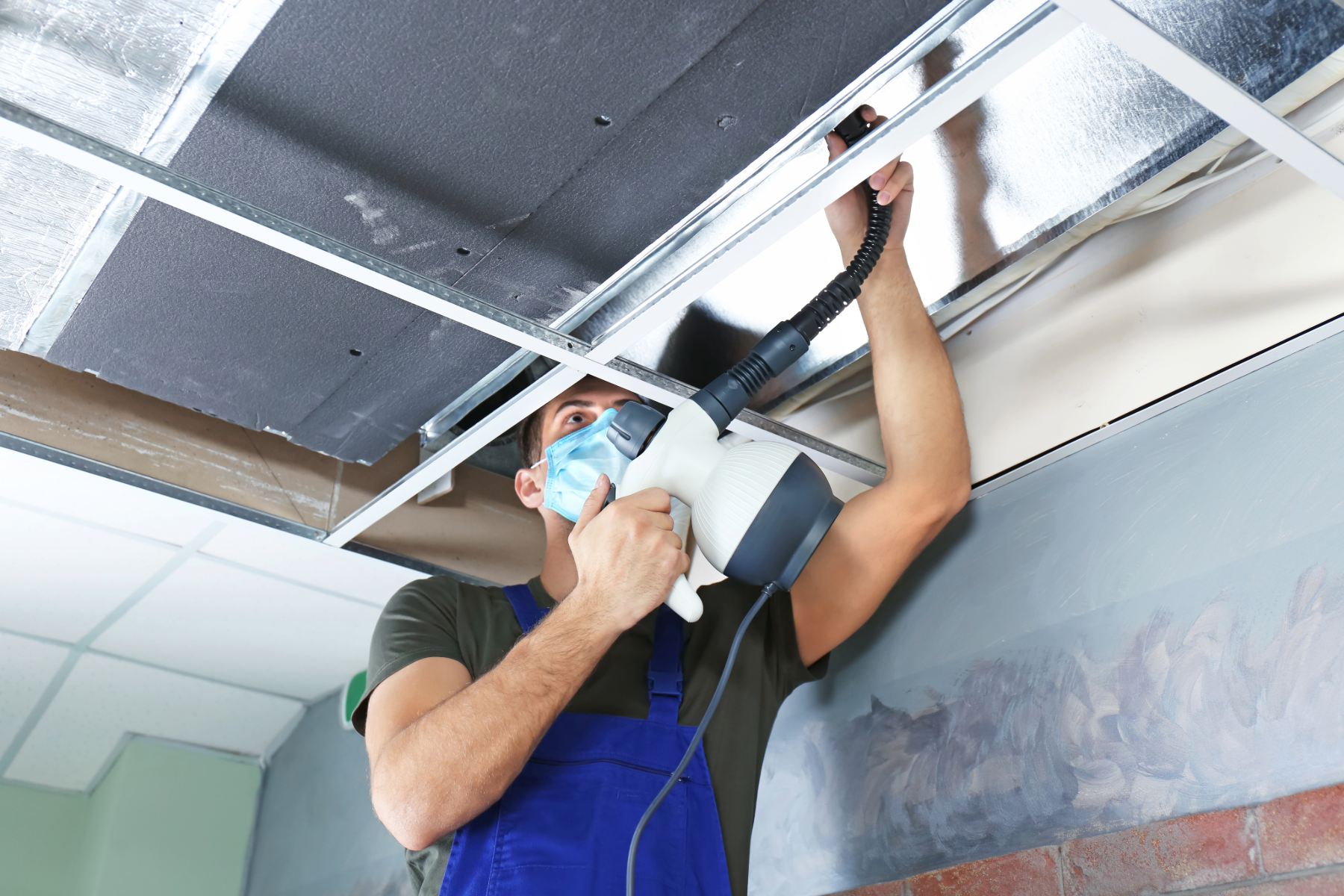
Ask which air paths and equipment need protection and how normal ventilation will be maintained safely. Cleaning after construction does not replace sensible contamination prevention.
The extent and location of deposits should guide the cleaning scope. A routine whole-house package may not match the actual affected system components.
If cleaning proceeds, list collection methods, components, access restoration, and final filter attention. Arrange it after dust-producing work so documented results remain meaningful.
Purchase cleaning based on post-work evidence and a defined component scope. Keep moisture, pest, and damaged-material concerns separate where they require correction beyond debris removal.
Routine cleaning is not automatically necessary and does not guarantee health or energy benefits. Resolve moisture sources and assess damaged materials rather than treating cleaning as the only remedy.
Send the property location, equipment information, and requested work for review.